

Zimbabwe is one of Southern Africa’s most rewarding destinations for travellers who want more than a single stop on a map. It brings together powerful waterfalls, classic safari country, warm city culture, historic ruins, and quiet landscapes that reward slower travel. If you are planning flights to Zimbabwe, the best trip usually combines a few different experiences rather than staying in one place.
This guide walks through the main things to think about before you go, from choosing your arrival city to planning time for Victoria Falls, safari, culture, and practical travel days.
Start With the Kind of Trip You Want
Before choosing dates or accommodation, decide what kind of Zimbabwe journey you want. Some visitors come for a short Victoria Falls break, while others want a longer itinerary with safari, culture, and city stops. A first-time trip often works well with three anchor points: Harare for arrival and culture, Victoria Falls for scenery and adventure, and Hwange National Park for wildlife.
If you have less than a week, focus on one region and do it properly. With ten days or more, you can build a richer journey that includes both natural wonders and everyday Zimbabwean life.
Choose the Best Time to Visit Zimbabwe
Zimbabwe can be visited throughout the year, but the experience changes with the seasons. The dry season, usually from May to October, is excellent for safari because animals gather around water sources and vegetation is easier to see through. This is also a popular time for Victoria Falls, although the waterfall flow can be lower later in the season.
The green season brings lush landscapes, dramatic skies, and strong colour across the country. Victoria Falls is especially powerful after the rains, when the spray rises high above the gorge. Travellers who enjoy photography, birdlife, and quieter routes may find this season especially rewarding.
Plan Your Arrival City
Many international travellers arrive through Harare or Victoria Falls, depending on their route and plans. Harare is a good choice if you want to ease into the country, explore local markets, visit galleries, and connect onward by road or air. Victoria Falls is ideal if your trip is centred on the waterfall, Zambezi River activities, and nearby safari lodges.
When comparing flights, look beyond the first ticket price. Consider connection times, baggage allowances, onward transfers, and whether your arrival city puts you close to the experiences you care about most.
Include Victoria Falls in Your Itinerary
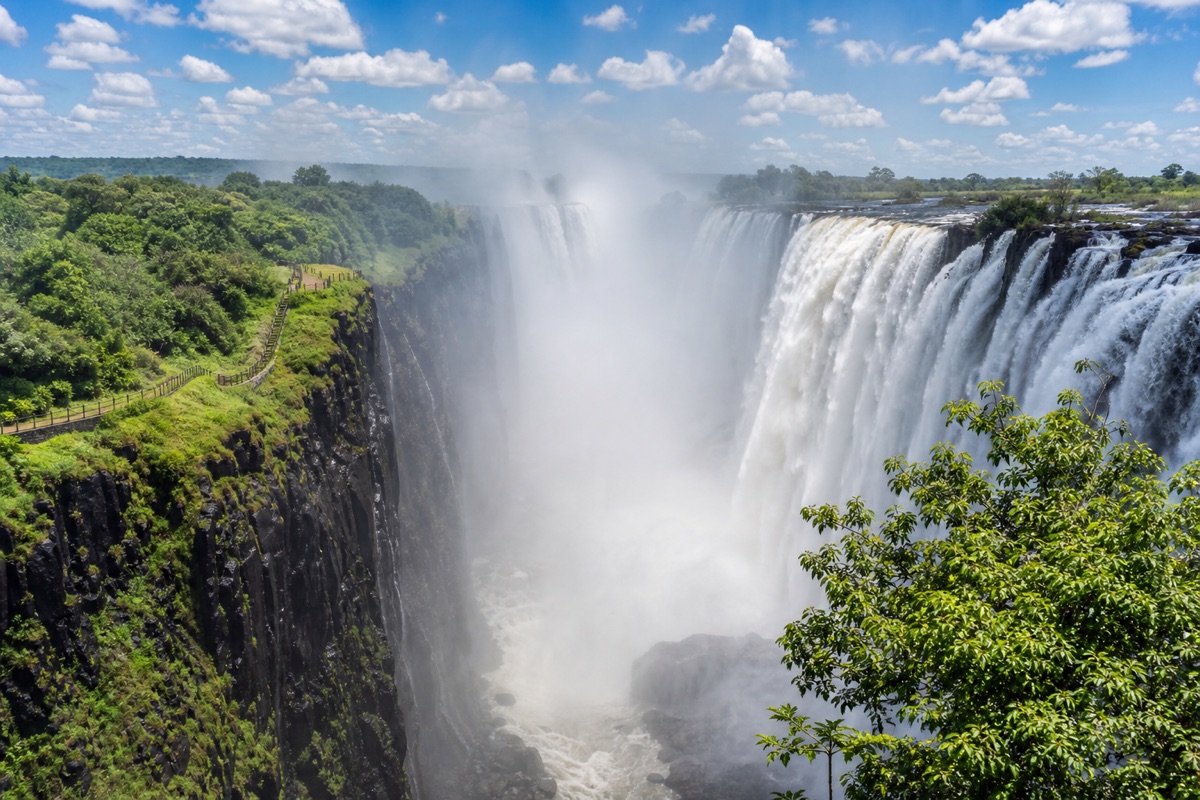
Victoria Falls remains one of Zimbabwe’s most unforgettable sights. Known locally as Mosi-oa-Tunya, meaning The Smoke That Thunders, the waterfall is not only a scenic highlight but also a base for adventure. Travellers can enjoy viewpoints, river cruises, helicopter flights, white-water rafting in season, and relaxed evenings near the Zambezi.
Two or three nights is a comfortable amount of time for most visitors. It gives you space to see the falls at different times of day, enjoy one or two activities, and avoid rushing through one of the country’s signature experiences.
Make Time for Safari
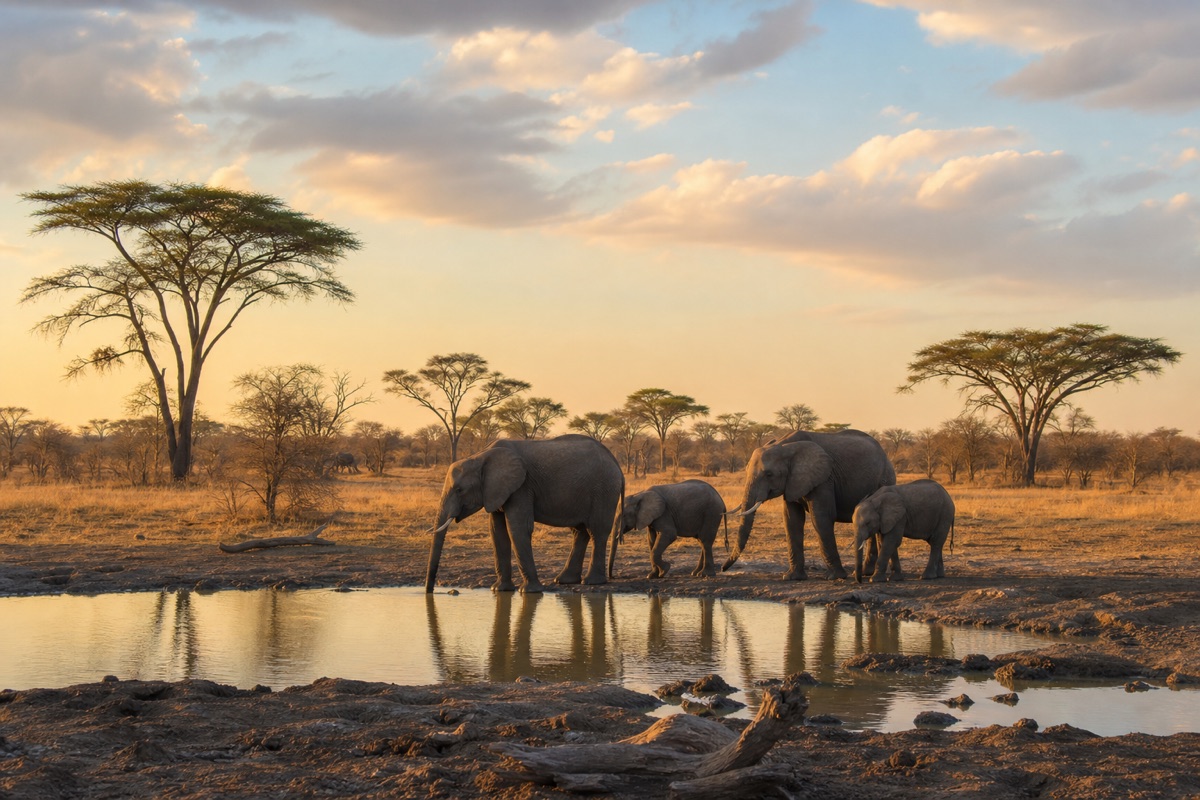
A Zimbabwe itinerary feels very different once you add safari. Hwange National Park is one of the country’s great wildlife areas and is especially known for elephants. It also offers lions, buffalo, giraffe, antelope, and rich birdlife. Compared with some busier safari regions in Africa, Zimbabwe can feel more peaceful and personal.
For the best experience, give yourself at least two nights in or near a safari area. Early morning and late afternoon drives are often the most rewarding, so a rushed day trip rarely shows the full character of the bush.
Balance Adventure With Culture
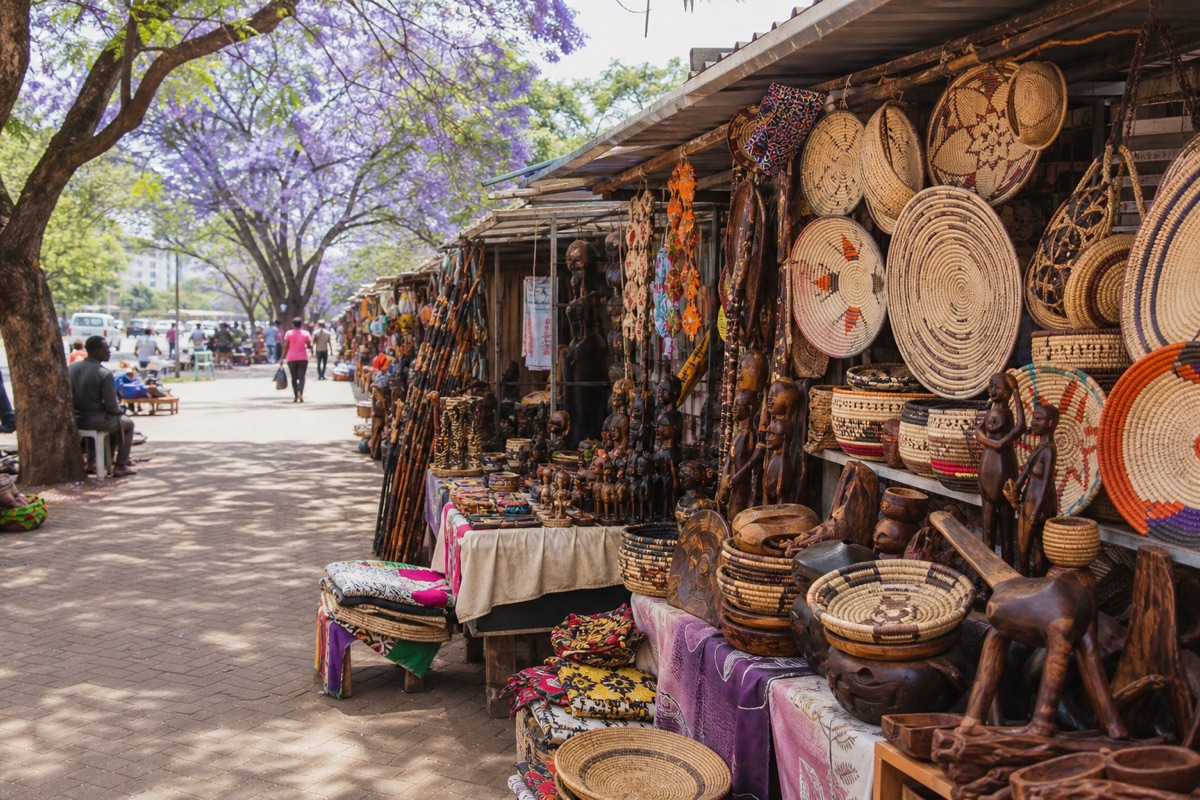
Zimbabwe is more than its famous landscapes. Harare, Bulawayo, local craft markets, historic sites, and smaller towns all add depth to a trip. The Great Zimbabwe Ruins are especially important for travellers interested in history, architecture, and the country’s pre-colonial heritage.
Adding cultural time makes the journey feel less like a checklist and more like a real introduction to the country. Even a relaxed morning at a market or gallery can give context to the places you visit later.
Think Carefully About Distances
Zimbabwe is a country where routes can take longer than they look on a map. Internal flights, private transfers, and guided travel can save time, while road travel can offer a more grounded view of the landscape. The right choice depends on your budget, comfort level, and how much time you have.
Try not to pack too many destinations into a short trip. A slower plan with fewer stops often feels better, especially if you want time for wildlife drives, waterfall viewpoints, meals, and rest between travel days.
Practical Tips Before You Go
Check passport, visa, health, and entry requirements well before departure, as these can change. Travel insurance is strongly recommended, especially if you plan to include safari, adventure activities, or regional connections. Carry a mix of payment options where possible, and confirm transfer arrangements before arrival.
It is also useful to pack for variety. Light layers, comfortable walking shoes, sun protection, a reusable water bottle, and neutral clothing for safari will cover most situations. If you are visiting during cooler months, bring something warm for early morning game drives.
Final Thoughts
A well-planned Zimbabwe trip can be one of the most memorable journeys in Southern Africa. With the right balance of flights, transfers, scenery, safari, culture, and rest days, you can experience the country in a way that feels both exciting and manageable.
Whether your dream is to stand beside Victoria Falls, watch elephants at sunset, explore local markets, or discover Zimbabwe’s historic places, a thoughtful itinerary will help every part of the journey connect.


